Common Mistakes to Avoid When Designing Custom Cookies


Understanding the Basics of Custom Cookie Design
Designing custom cookies can be an exciting venture, whether for personal enjoyment or as a business endeavor. However, there are several common mistakes that can hinder your success. Understanding the fundamentals of cookie design is the first step to creating visually appealing and delicious treats.
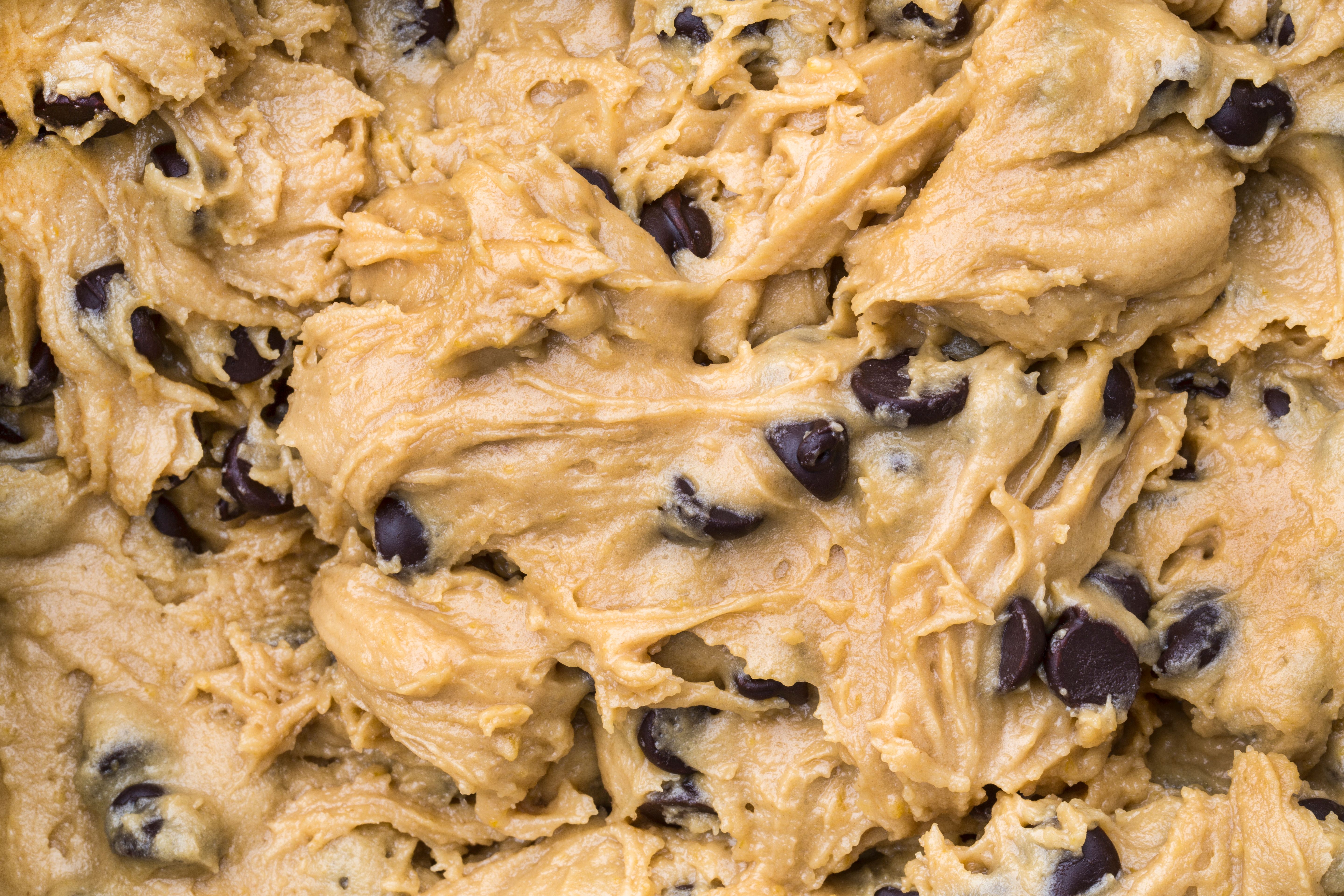
One essential aspect is choosing the right dough. The dough should hold its shape well during baking, so it's crucial to pick a recipe that complements your design needs. Shortbread and sugar cookie doughs are popular choices due to their firm texture.
Choosing the Right Tools
Another mistake often made is not investing in the right tools. Using high-quality cookie cutters, icing bags, and tips can significantly improve the final product. Skimping on these tools might lead to uneven shapes and messy designs, which can be frustrating.
Ensure you have a good set of food colorings and edible markers. These can add vibrant colors and intricate details to your cookies, elevating their aesthetic appeal. Remember, the right tools can make a huge difference in the outcome.
Planning Your Design
Planning is crucial in cookie design. Jumping into decorating without a clear plan can lead to mistakes that are difficult to correct. Take the time to sketch your design on paper, considering the colors and patterns you wish to use.
Overcomplicating designs is a common error. While intricate patterns can be beautiful, they are also more challenging to execute. Start with simpler designs and gradually work your way up to more complex ones as you gain confidence and experience.
Proper Icing Techniques
One of the most critical aspects of cookie decoration is the icing technique. A common mistake is applying icing that is too runny or too thick. The consistency of your icing matters immensely—too runny, and it may run off the cookie; too thick, and it might be difficult to spread.
Practice creating the perfect consistency, and don’t be afraid to adjust as needed. Using a test cookie before decorating the entire batch can help you achieve the desired results without wasting resources.
Timing and Patience
Rushing the process is a frequent misstep. Allowing time for dough chilling, baking, and icing drying is essential. Each step requires patience, and cutting corners can compromise the quality of your cookies.
Be patient with the drying time, especially if you’re layering colors or adding details. Drying time is crucial to avoid smudging and to ensure a professional finish.
Learning from Mistakes
Finally, don't be discouraged by mistakes. Every cookie designer, no matter how experienced, encounters mishaps. Each mistake is an opportunity to learn and improve. Take notes on what went wrong and adjust your approach for next time.
In conclusion, designing custom cookies is a rewarding experience that requires attention to detail and practice. By avoiding these common mistakes, you’ll be well on your way to creating stunning custom cookies that impress everyone who sees them.